AI Image Maker
Please login to generate images.

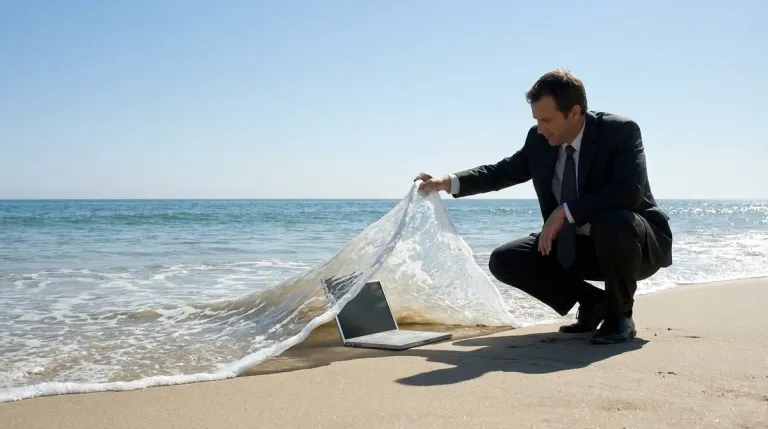
"A [SUBJECT] is crouching on the beach, lifting a wave like a carpet to reveal a [OBJECT] lying underneath deep inside. The ocean is calm with a clear blue sky in the background. The scene creates a clever illusion, in a surreal manner, with the wave being lifted as if it is a tangible object"
GPT-4o ImageNext-Gen Visual Intelligence
Integrate the GPT-Image-1 model for fast, reliable, and scalable access to OpenAI's 4o Image Generation, with clear documentation and dedicated developer support.

Unified Text and Vision Understanding
The GPT-4o Image model, also known as the GPT-Image-1 model, is OpenAI's latest AI image generation model. Unlike traditional diffusion models, it unifies text and vision understanding, allowing developers to produce high-resolution, context-aware images directly from natural language prompts. Whether for app interfaces, marketing visuals, or AI design tools, it delivers exceptional accuracy, compositional control, and visual detail.
Real-World Applications of GPT-4o Image
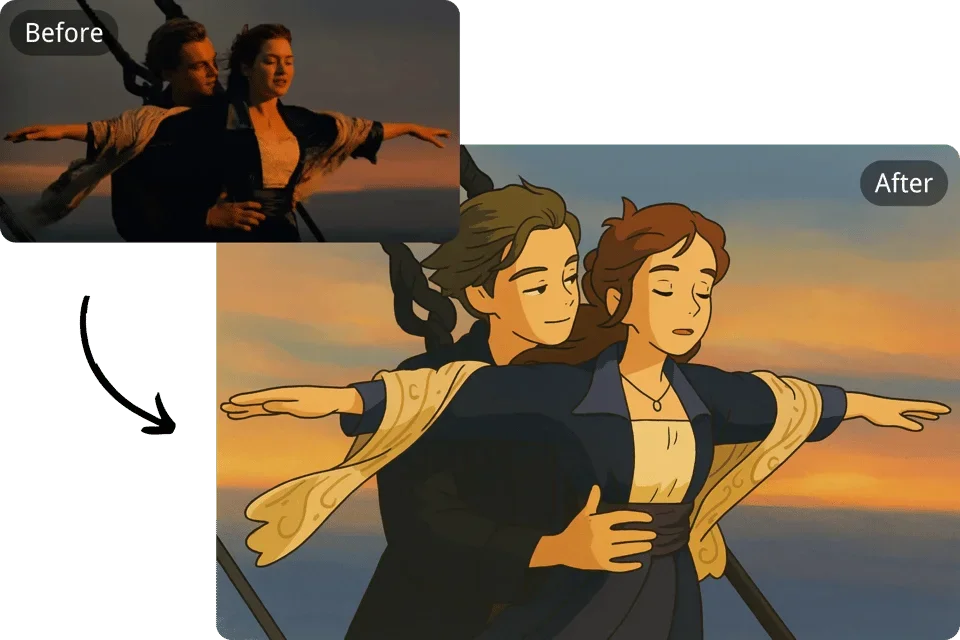
Studio Ghibli Style Art
With the GPT-4o Image model, users can generate visuals inspired by Studio Ghibli's iconic style. By providing descriptive prompts, the GPT-Image-1 model produces images with the whimsical and detailed aesthetics characteristic of Ghibli films, aiding in concept art and creative projects.

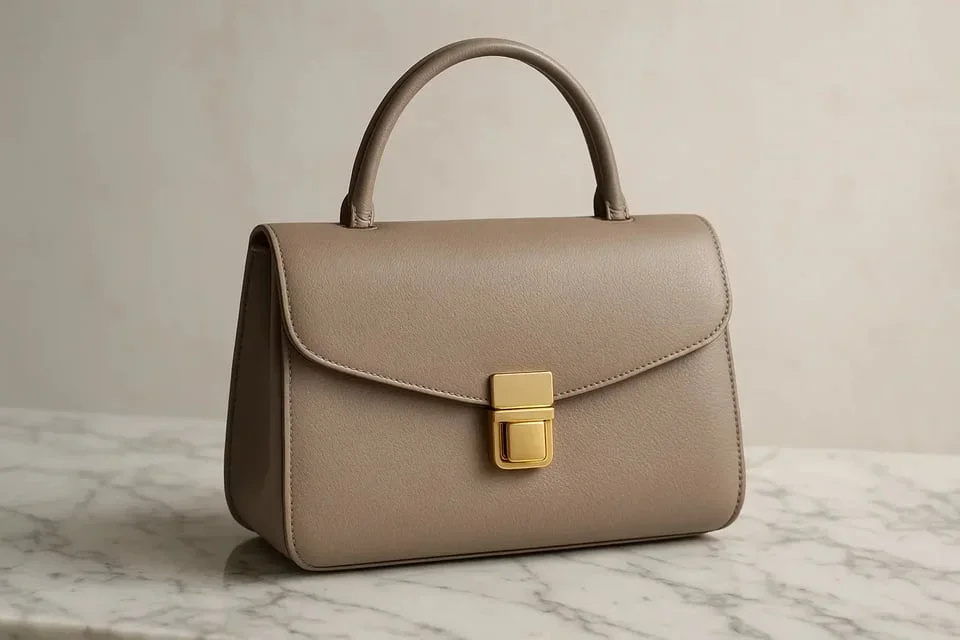
Product Visualization & Presentation
Utilizing the GPT-4o Image Generation model, businesses can create realistic product mockups and presentations. Generating high-quality images of products from textual descriptions enables companies to showcase products without the need for physical prototypes.

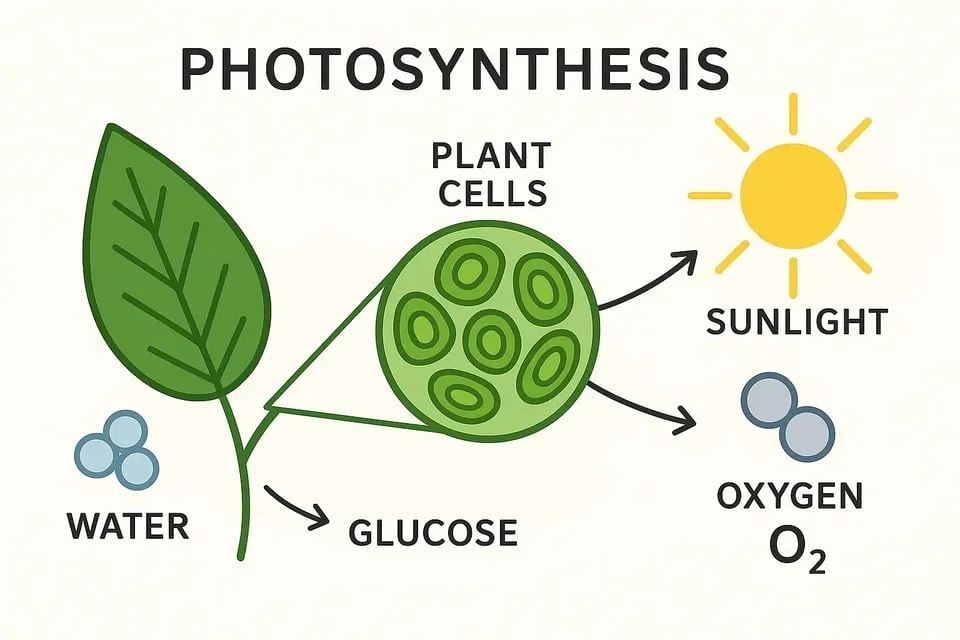
Information & Infographic Design
Powered by deep contextual understanding, the GPT-4o Image model can produce informative visuals and diagrams that clearly convey complex data. By leveraging the model's world knowledge, users can generate educational infographics or business charts that are both accurate and visually engaging.

Consistent Character and Asset Design
The GPT-4o Image Generation model helps developers and game artists maintain character and style consistency across multiple scenes. By specifying attributes and styles, the model produces detailed character images, ensuring uniformity across different scenes and iterations.

Key Features of GPT-4o Image
Text-to-Image and Image-to-Image
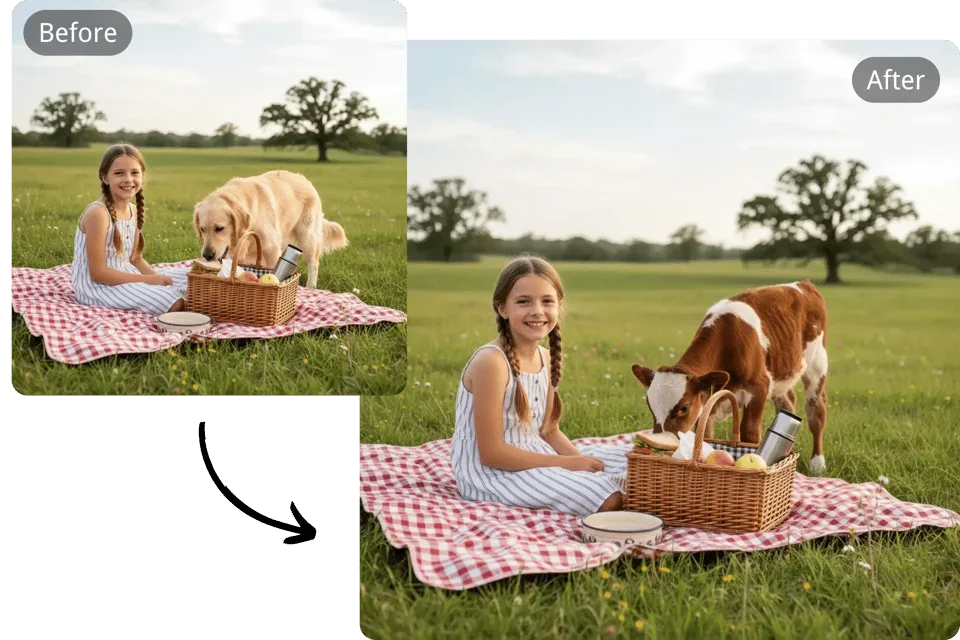
The GPT-4o Image Generation model (powered by GPT-Image-1) supports both text-to-image and image-to-image workflows. Developers can create high-resolution visuals from simple text prompts or refine existing images through intelligent editing and variation features.
Accurate Text Rendering in Images
One of the standout improvements of the GPT-4o Image model is its ability to render text clearly within generated images. Whether it's signage, UI elements, or product labels, it ensures readable, contextually correct text placement — solving a long-standing limitation in AI image generation.
Precise Instruction Following
The GPT-4o Image model excels at interpreting complex prompts and following nuanced instructions. It understands relationships between objects, lighting, and composition, ensuring that each generated image aligns closely with the user's intent.
World Knowledge and Contextual Awareness
Built on OpenAI's multimodal foundation, GPT-4o Image integrates deep world knowledge and contextual understanding into every generation. It recognizes real-world objects, cultural elements, and scene logic, producing visuals that feel natural, grounded, and contextually accurate.
Diverse Artistic and Visual Styles
From photorealistic renders to Ghibli-style anime illustrations, the GPT-4o Image Generation model supports a wide spectrum of artistic directions. Developers can easily adjust tone, lighting, and visual aesthetics to match brand identity or creative direction.
Consistent Characters and Styles
The GPT-4o Image model maintains remarkable character and style consistency across multiple generations. Whether you're designing branded avatars, recurring characters, or sequential scenes, the model preserves key visual traits, ensuring coherent outputs throughout creative workflows.